

Table of Contents
Introduction to TeleTrade
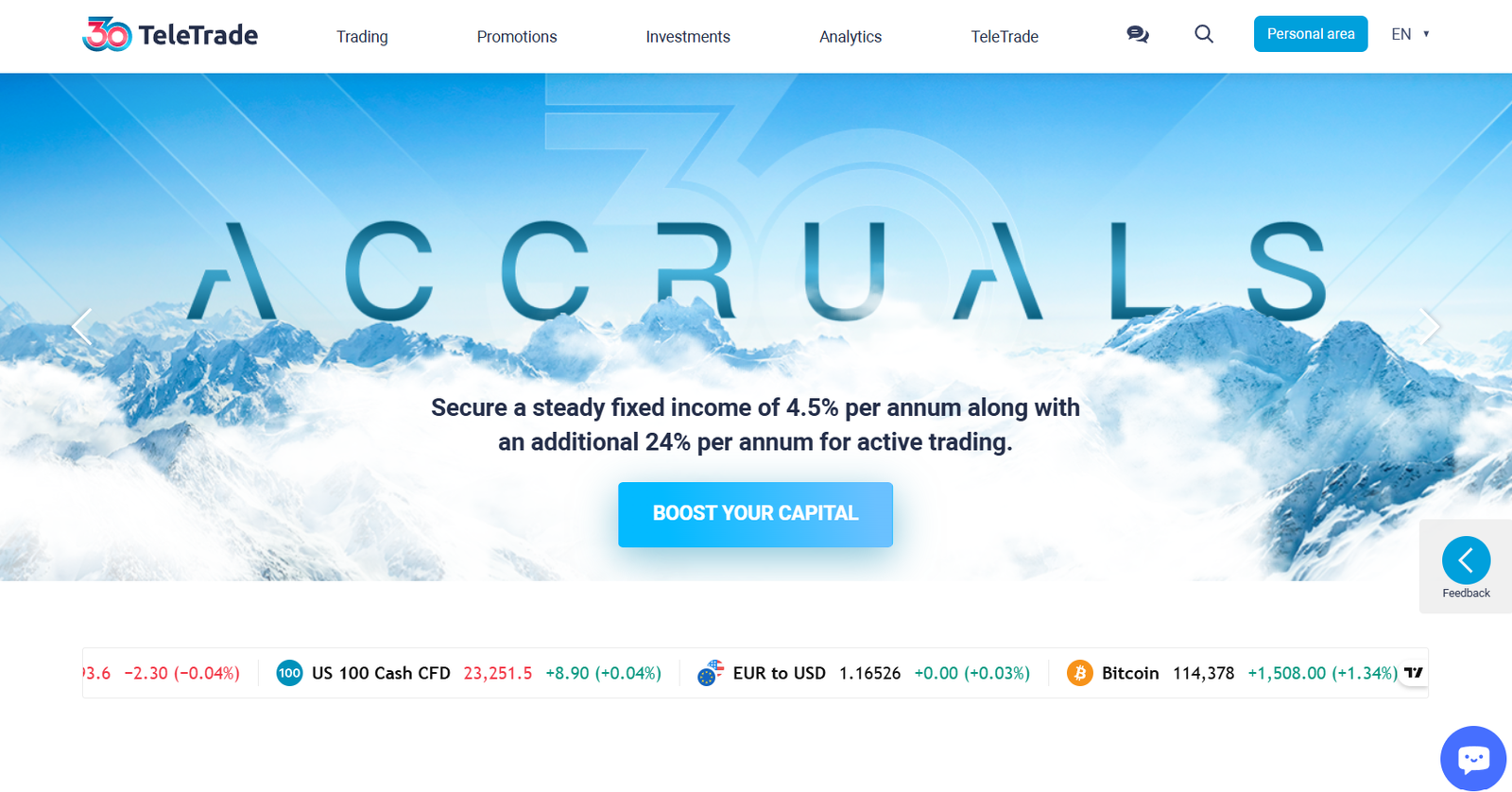
This TeleTrade review provides a comprehensive examination of TeleTrade, exploring its services, claims, and potential risks to traders. With offerings that include Forex, CFDs, and commodities trading, TeleTrade operates from multiple jurisdictions, claiming regulatory oversight in some. Many traders are now asking: is TeleTrade a scam or a legitimate broker? This TeleTrade review uncovers all the warning signs you need to know before investing your money.
Our focus is on two audiences: those who feel they may have been misled or scammed by TeleTrade and want clarity, and cautious prospective clients who seek verified information before committing their funds. We acknowledge the frustration, concern, and anger users may feel, and we aim to provide transparent, factual insights.
TeleTrade: Regulation & Legal Status
TeleTrade is registered in several countries and claims to be regulated in some jurisdictions, but many of its entities operate without oversight from top-tier authorities like FCA, ASIC, or CySEC. Misleading references to regulation are common in promotional materials.
Trading with unregulated or partially regulated brokers carries significant risk: no client fund protection, limited dispute resolution options, and no regulatory oversight. Traders should always learn how to spot a scam broker before it’s too late. The lack of oversight raises serious questions about whether TeleTrade is a scam.
Trading Conditions & Platform Analysis of TeleTrade
TeleTrade offers multiple account types, with minimum deposits starting from $100 to $1000+, leverage up to 1:500, and spreads from 1 pip on major Forex pairs. Platforms include MT4 and MT5, available on desktop and mobile. While these offerings appear standard, the absence of transparency on liquidity providers and trade execution models is concerning.

High leverage and promises of fast profits can be risky, and using MT5 or MT4 alone does not guarantee safety or reliability. Traders should review all operational details before committing funds and refer to what to check before signing up with a trading platform. These gaps make it harder to dismiss the idea that TeleTrade might be a fraud.
Reputation & User Reviews About TeleTrade
TeleTrade’s reputation is mixed. On TrustPilot, some users praise the educational resources and customer support, while others report difficulties with withdrawals, unresponsive support, and account restrictions. Many reviews appear generic, indicating the possibility of fake or incentivized testimonials.
Independent Forex forums also highlight concerns about aggressive marketing tactics and inconsistent trading conditions. Traffic analysis from SimilarWeb suggests moderate engagement, but this does not verify service quality or reliability. Traders must be cautious and seek independent verification before depositing funds.
How to Test Whether TeleTrade Is a Scam
To assess TeleTrade’s legitimacy, consider these checks:
- Regulation Verification: Confirm licenses with top authorities like FCA, ASIC, or CySEC.
- Red Flag Identification: Look for vague license information, inconsistent statements, or aggressive marketing tactics.
- User Review Investigation: Examine real complaints on TrustPilot and Forex Peace Army.
- Platform Testing: Use demo accounts or small deposits to evaluate execution and spreads.
- Withdrawal Policies: Confirm clear and reliable payout procedures without hidden conditions or crypto-only restrictions.
- Promises Scrutiny: Avoid brokers claiming guaranteed profits with no risk.
Final Verdict & Alternatives
TeleTrade offers standard trading services, but its regulatory ambiguity, mixed user feedback, and transparency concerns suggest caution. While some traders may have positive experiences, the red flags outweigh benefits for conservative investors.
Regulated alternatives such as IG, OANDA, and FXCM provide safer trading environments with verified oversight, transparent conditions, and reliable customer support. Always prioritize licensed platforms to protect your investments and reduce the risk of fraudulent activities.