

Table of Contents
Introduction to Gamee
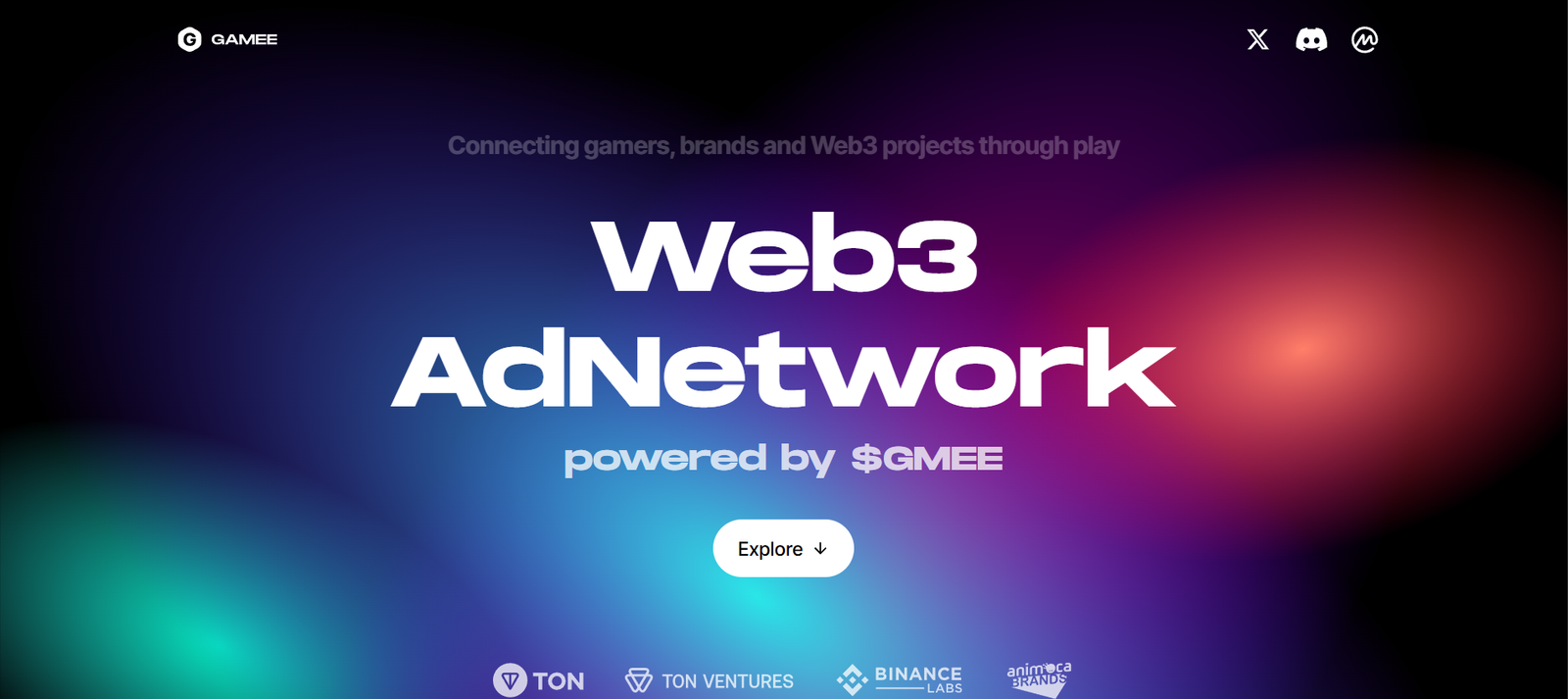
This article is a detailed review of Gamee, investigating whether the Gamee scam accusations have basis and providing an impartial Gamee review so you can decide if is Gamee a scam or a trustworthy platform. Gamee (also known for its token GMEE) presents itself as a play-to-earn gaming ecosystem, Web3 ad network, with in-game rewards, NFT passes, casual games, and competitions. It claims to be part of Animoca Brands, with users earning via gameplay, streaming ads, completing tasks, and with tokenized rewards. Registration / company information shows that Gamee is operated by GaMee Global Limited, a private company limited by shares based in Hong Kong.
If you’ve already been scammed by Gamee and want real information about whether the platform is legit, or you suspect Gamee before putting money (or time) into it, this review is crafted for you. We address the frustrations, anger, and suspicion many users feel. This Gamee review uncovers all the warning signs you need to know.
Gamee: Regulation & Legal Status
A key concern when evaluating whether Gamee is a fraud is its legal status and regulation. Because “broker” implies financial services, oversight matters. But Gamee is structured more like a gaming/Web3 platform, not a regulated broker in the classic sense.
- Gamee is not regulated as a financial broker by top authorities such as FCA (UK), ASIC (Australia), or CySEC (EU). There is no public evidence it holds a broker license in these jurisdictions.
- Its operating company is GaMee Global Limited, in Hong Kong. Hong Kong has regulations governing digital assets and gaming, but as of current public records, Gamee is presented as a gaming/Web3 product, not a licensed financial intermediary.
- Some parts of its operations involve tokens (GMEE) which are utility tokens, used for accessing in-app features, ad networks, NFTs, etc. Utility tokens generally face less strict regulation compared to securities, but in many jurisdictions, regulators still scrutinize tokenomics, disclosures, and how tokens are sold.
Risks of operating without broker-type regulation:
- No guarantee of financial oversight, full protection of user funds, or clear dispute arbitration paths.
- If things go wrong (e.g. token distribution, payouts, in-game rewards), users may have limited recourse.
- Misleading claims can arise — e.g. implicit promises that rewards or tokens will yield profits, or that certain features are “investment-like.”
If you want to verify whether a platform like Gamee qualifies for any regulation, consider resources such as [Scam-Detector’s validator] or even checking with agencies like the SEC or equivalent in your country. The lack of oversight raises serious questions about whether Gamee is a scam.

Trading Conditions & Platform Analysis of Gamee
Because Gamee is not a broker per se, “trading conditions” are different. But we can apply similar scrutiny: what is promised, how rewards/token mechanics work, what platforms are used, and where missing details or red flags exist.
| Feature | What Gamee Claims / Provides | What Is Unclear or Potentially Concerning |
|---|---|---|
| Token / Rewards Mechanism | Gamee uses GMEE token, an ERC-20 utility token. It is used for Web3 ad network, in-game purchases, NFT assets, etc. | The tokenomics (e.g. supply, vesting, inflation) are public, but how rewards are calculated, what percentage goes to players vs platform vs investors, is not fully transparent to all users. Some users report low payout vs time invested. |
| Platform & Assets | Offers casual games, competitions (Arc8 app), NFTs (NFT Pass), staking, chances to redeem rewards or accomplish tasks. | Evidence is less clear about how reliably rewards or withdrawals work. Some users remark that small earnings disappear or balances reset. There may be high thresholds or fees before you can withdraw. Also, terms like “real-world rewards” can be vague (sometimes just coupons, sometimes crypto). |
| Promises / Marketing | Gamee claims “reward for skill and effort,” “true ownership of digital assets,” “Web3 ad network,” partnerships and backing (e.g. Binance Labs investment) which lends some credibility. | Some marketing may underplay the friction in redeeming rewards: eligibility requirements (e.g. KYC or AML), minimum thresholds, delays, or technical issues. “Guaranteed rewards” implies risk if not clearly qualified. Also, volatility of token price means what you earn may lose value. |
Useful anchor: What to check before signing up with a platform claiming to offer financial or reward-type benefits. These gaps in transparency over actual payout mechanics, required thresholds, and reliability make it harder to dismiss the idea that Gamee might be a fraud or at least high risk for disappointment.
Reputation & User Reviews About Gamee
Let’s look at what users are saying, and what independent data we can find. For many of the people feeling wronged, the concern is: did they really get paid / are the terms fair.
- On Trustpilot for Gamee (www.gamee.com) there are ~23 reviews. The score is 2.5 / 5 (“Poor”). Many users give 1-star and complain about not being able to cash out, points disappearing, rewards expiring, and poor support.
- Many reviews say: “earnings disappear near cash-out,” “support doesn’t respond,” “balance reset,” “money expired” etc. These match common complaints in low-reward apps.
- On forums like Reddit, users ask whether Gamee is legit or a scam. Some say it’s fun, others say the payout process is painful. The consensus tends to be: you may get small reward occasionally, but it’s not reliable as income.
- On the token side, market data shows GMEE has modest circulation, is listed on several exchanges, but market cap is small. There is some legitimacy in backing (Animoca Brands, Binance Labs strategic investment) which gives positive signals.
Overall, reputation is mixed: credible token project with good partnerships, but many user complaints about reward redemption and transparency. These patterns contribute to serious doubts over whether is Gamee a scam for many users.