

Table of Contents
Introduction to 4T
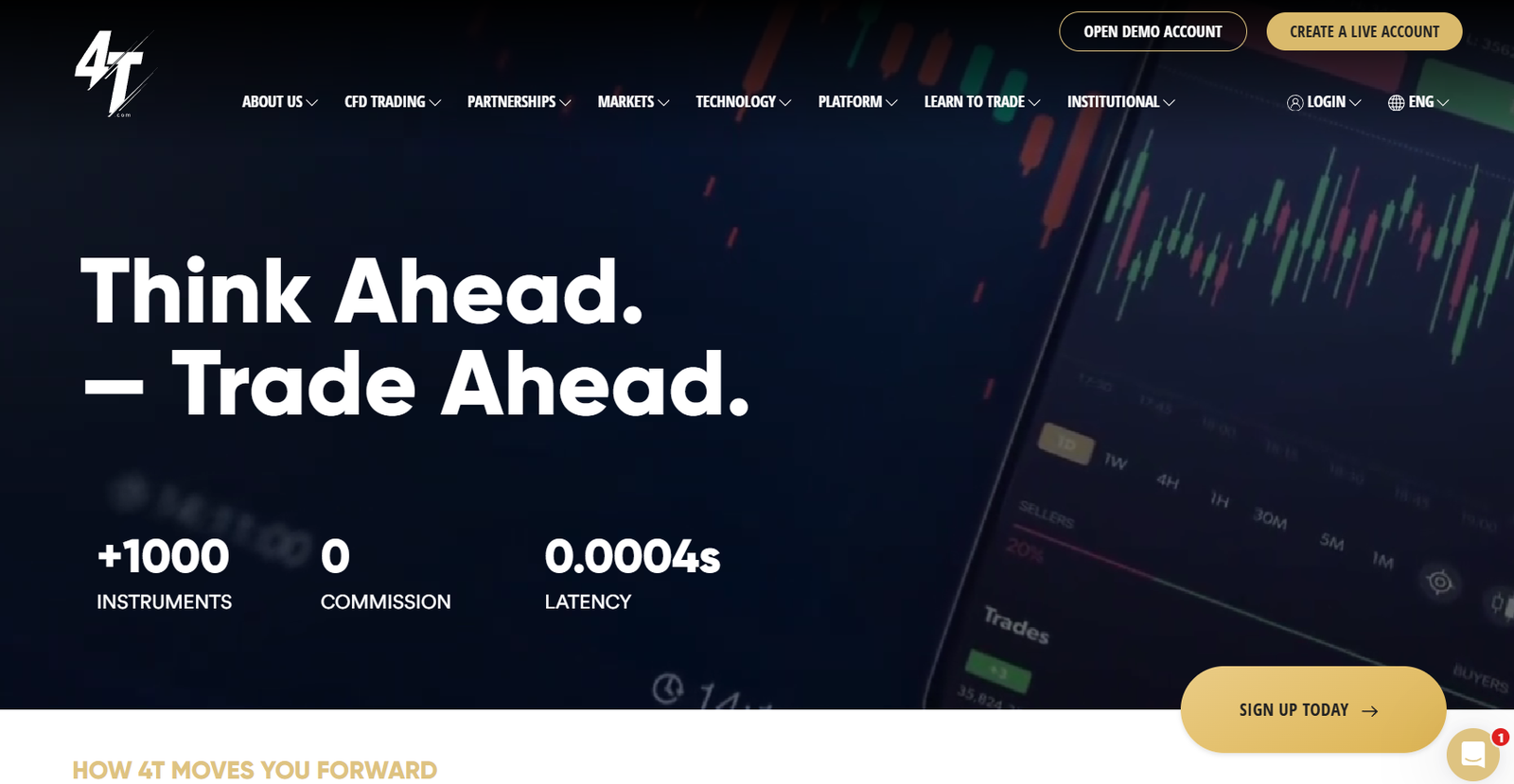
This article provides a complete 4T review for traders who are either suspicious about this broker or already feel they’ve been scammed. 4T presents itself as an online broker offering access to financial markets, but questions remain: is 4T a scam or a legitimate trading platform? This 4T scam review uncovers all the warning signs you need to know before making any decision.
4T: Regulation & Legal Status
One of the first steps in evaluating a broker is checking its regulation. While 4T may claim to be licensed, many offshore brokers use vague references to respected regulators like the FCA or ASIC without actual authorization. Unregulated brokers operate with no oversight, meaning no client protection, no dispute resolution, and no accountability. Similar fraud tactics have been reported in other cases where brokers pretended to be licensed. Verify if 4T is truly regulated through trusted authorities like the SEC before depositing any funds. The lack of transparent oversight raises serious questions about whether 4T is a scam.
Trading Conditions & Platform Analysis of 4T
4T claims to provide competitive trading conditions, but closer inspection shows concerns. The broker may advertise high leverage, low spreads, or advanced platforms such as MT5. However, these features alone do not guarantee safety. Key details such as liquidity providers, order execution, or STP/ECN verification are often missing. Even having MT5 does not make a broker trustworthy, since many scams offer it only as a façade. Before signing up, learn what to check before committing to a trading platform like 4T. These gaps make it harder to dismiss the idea that 4T might be a fraud.
Reputation & User Reviews About 4T
User feedback plays a crucial role in exposing broker credibility. Reports from platforms like TrustPilot about 4T reveal a pattern of mixed, and often suspicious, reviews. Many appear to be fake testimonials designed to inflate the broker’s reputation. The most common complaints involve withdrawal issues, unresponsive customer support, and pressure to deposit more money. Engagement metrics and traffic analysis show low credibility for the site, raising further concerns about whether 4T is a scam.
How to Test Whether 4T Is a Scam
Determining if a broker like 4T is a scam requires a careful checklist. First, verify its license with top-tier regulators (FCA, ASIC, CySEC). If details are vague or missing, that’s a major red flag. Next, review independent complaints from traders on sites like Forex Peace Army or Scam Detector. Pay close attention to the broker’s withdrawal process—legitimate firms make it transparent, while scams use delays or hidden conditions. Also, be wary of guaranteed profits or “risk-free” promises, as no regulated broker makes such claims. A true test is whether the broker offers a demo account; scams often avoid this because they want upfront deposits. Use Scam Detector’s validator on 4T to check for more warning signs.

Final Verdict & Alternatives
After evaluating regulation, trading conditions, and user feedback, the evidence strongly suggests avoiding 4T. The risks of unregulated activity, coupled with numerous user complaints, outweigh any potential benefits. If you are considering trading online, always choose a regulated and reputable broker instead. Safer alternatives include licensed platforms under FCA, ASIC, or CySEC oversight. Trading with legitimate brokers ensures client fund protection, dispute resolution, and transparency. If you believe you’ve been defrauded, you can also report fraud cases involving 4T through trusted authorities. Ultimately, the safest decision is to avoid unregulated firms and stick with brokers that provide verifiable protection.